
🚨 North African Supply Chain Crisis: Morocco Port Paralysis Triggers Feed Supply Cut-off
Since February 2026, a deep supply chain crisis triggered by extreme weather has been unfolding in North Africa. This is not ordinary port delay, but a systemic crisis that could break the entire industry chain.
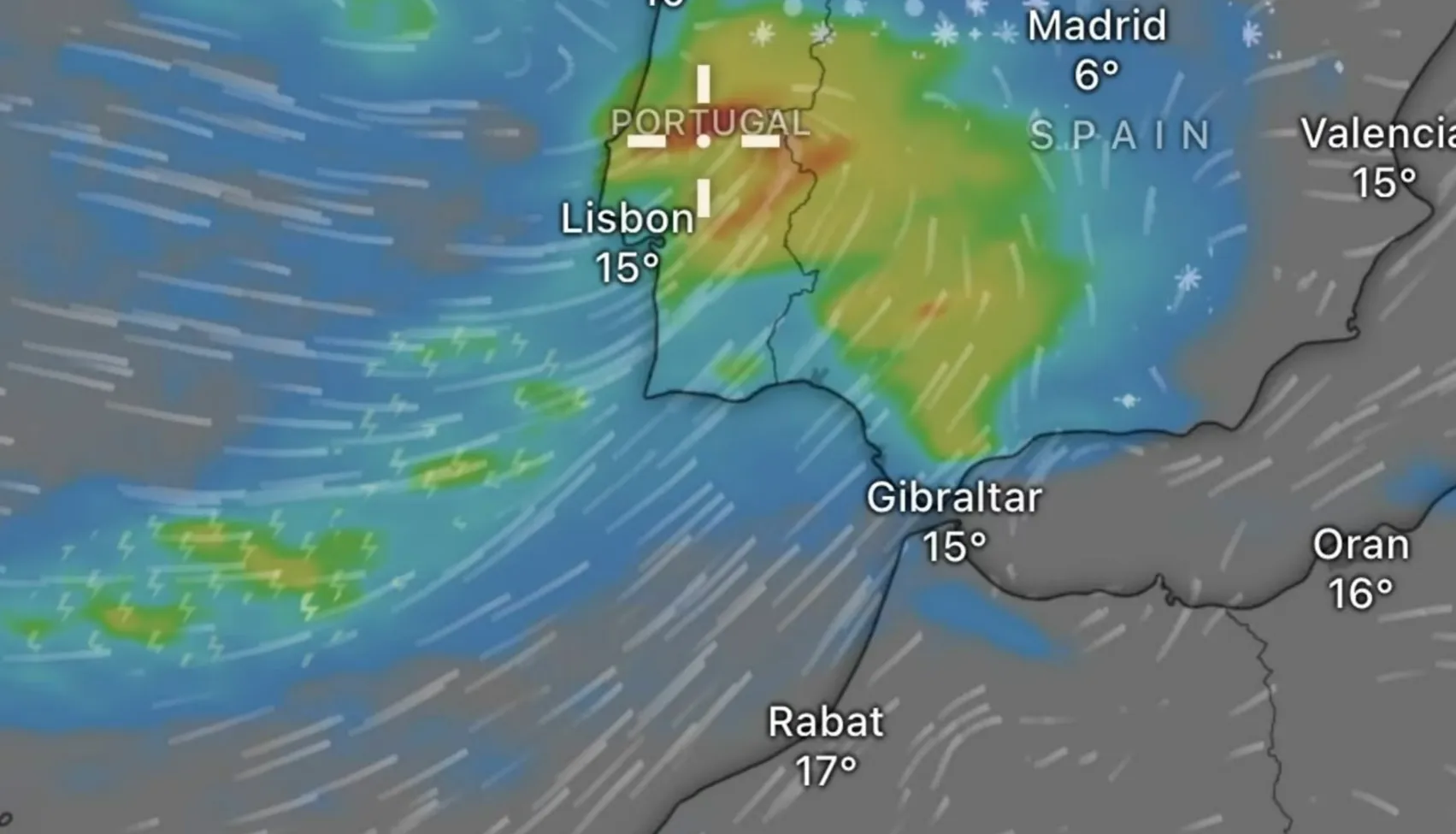
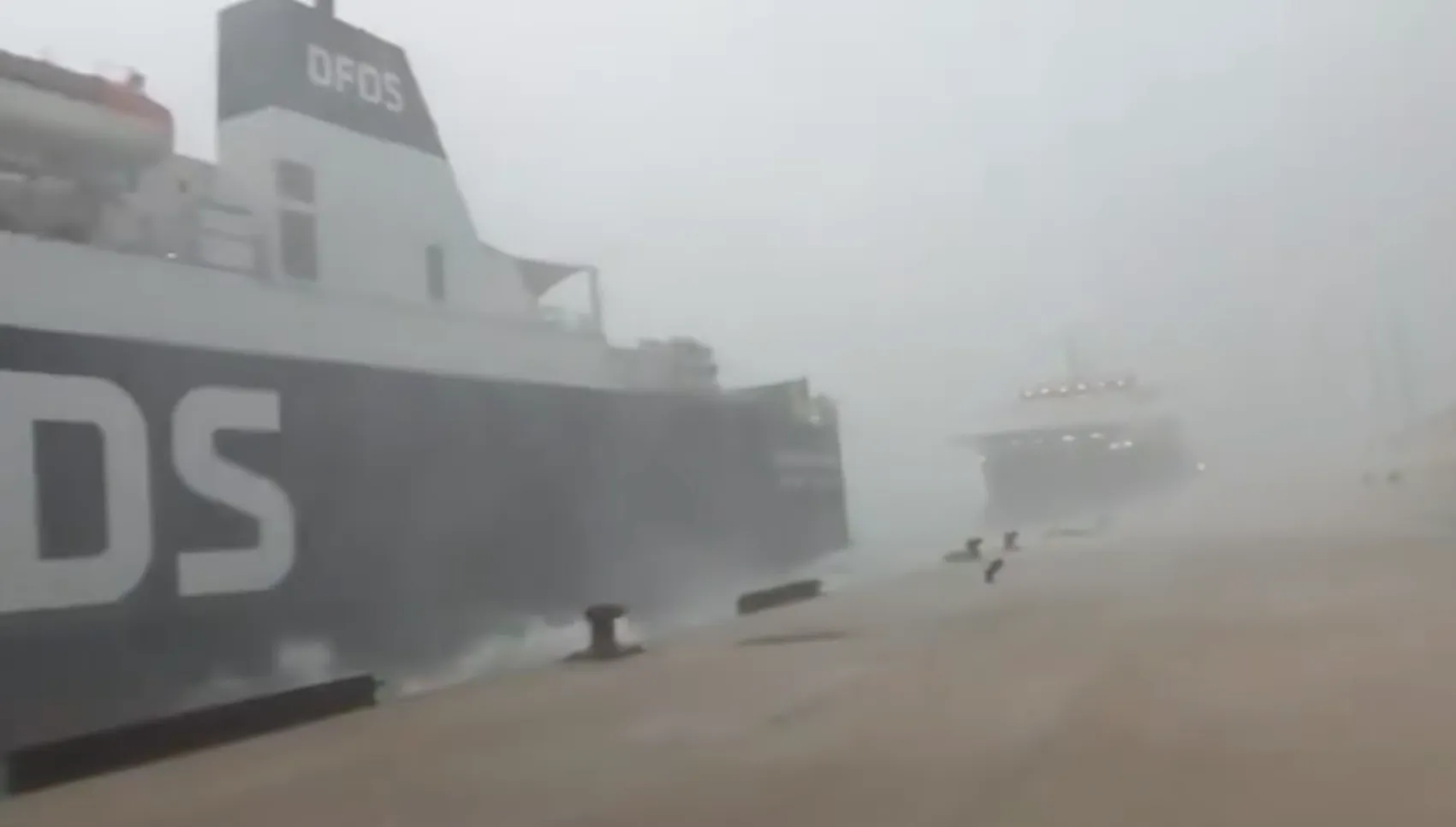
Hit by the dual blow of persistent恶劣 sea conditions and insufficient port infrastructure handling capacity, a large number of cargo ships loaded with key feed raw materials such as corn and soybean meal are currently stranded at multiple ports, with unloading indefinitely postponed. This situation has led to raw material shortages in several feed processing plants, with some forced to cut production or even temporarily halt operations.
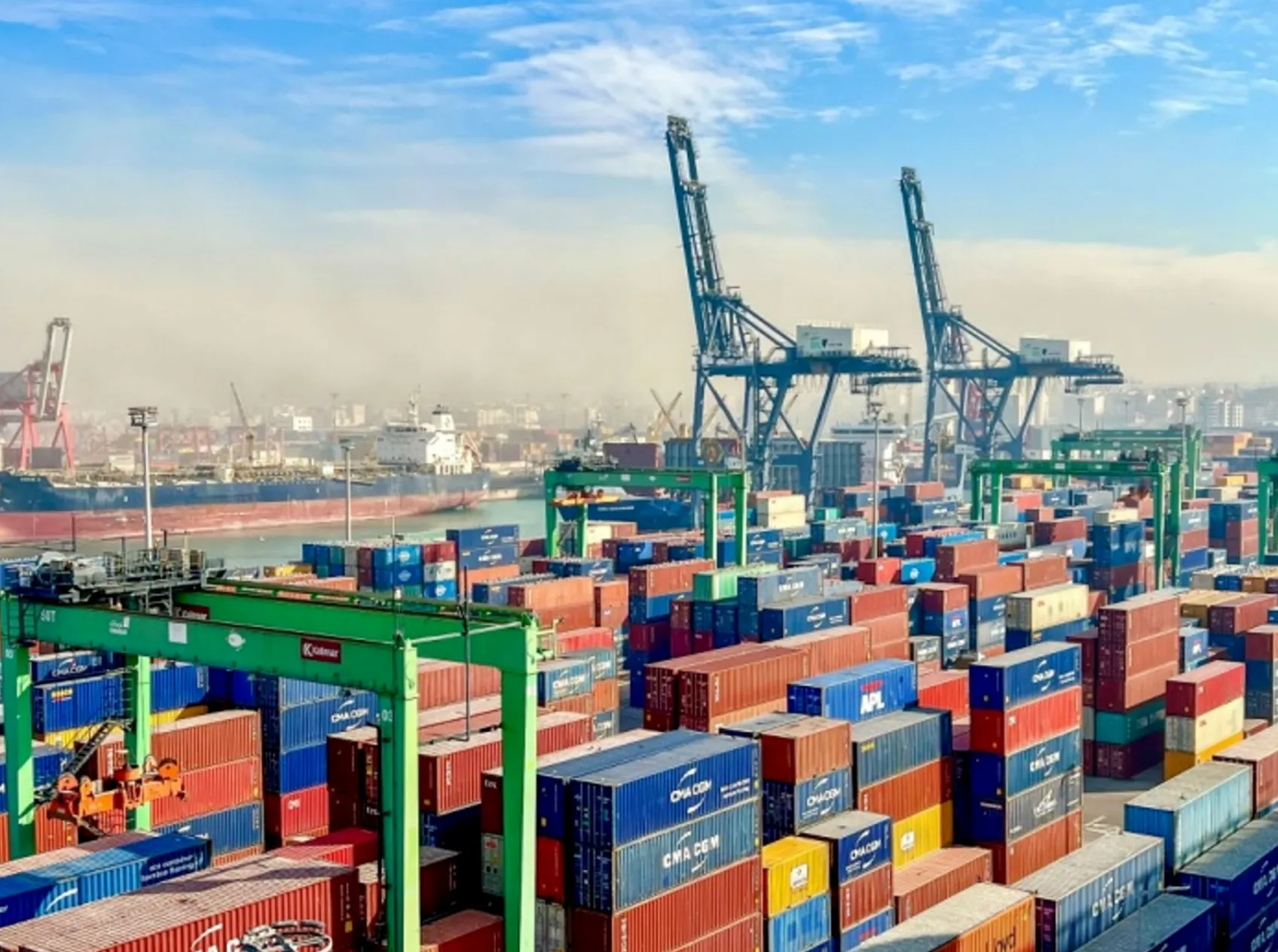
Off the coast of Casablanca Port, dozens of ships loaded with feed raw materials are trapped near shore, unable to move. Tangier Med Port suspended operations for 41 hours, with backlogged cargo snowballing.
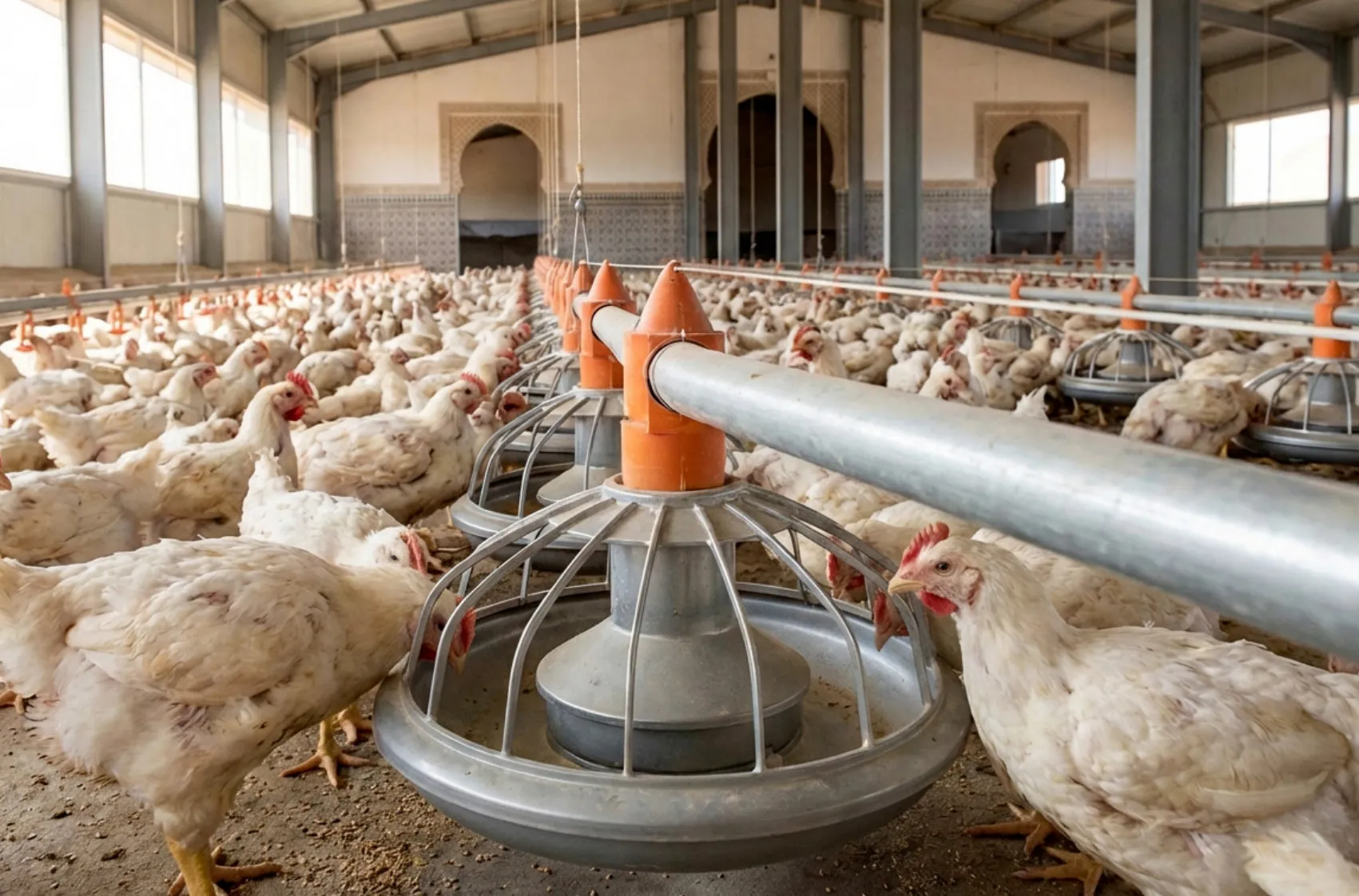
But the real crisis lies in: Morocco depends on imports for nearly 90% of its feed raw materials, and the fate of the poultry industry rests on these drifting ships. The Integrated Feed Manufacturers Association has warned that enterprises are “directly unable to produce compound feed.” The National Association of Poultry Meat Producers stated bluntly: this will trigger an “unprecedented supply crisis.”
When port paralysis meets inland transport collapse, a supply chain crisis is forming.
🌊 Double Blow: When Ports and Inland Simultaneously Collapse
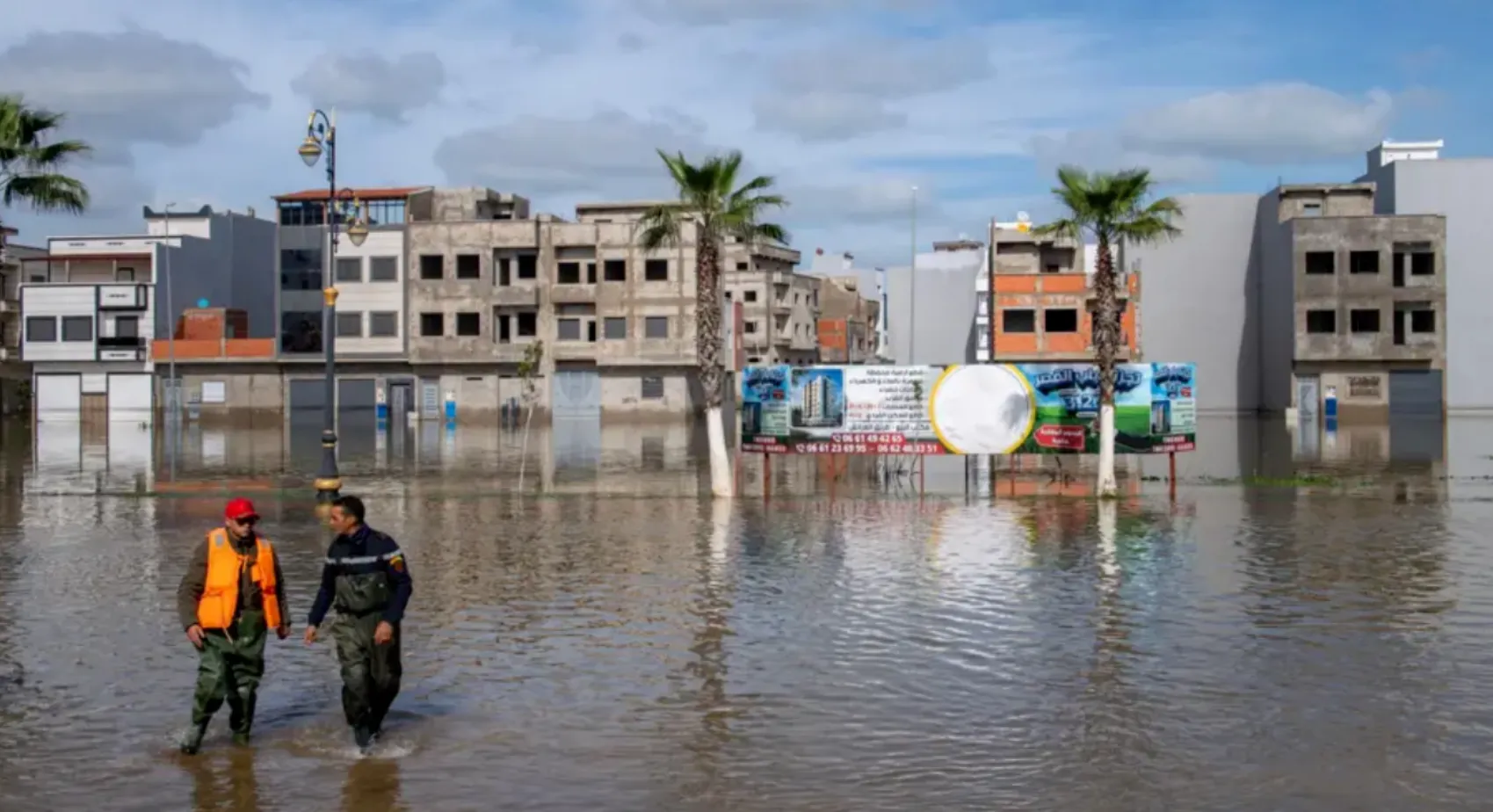
Figure: Flooding causes inland road disruptions, cargo cannot be transported from production areas to ports, exacerbating the overall supply chain crisis
Ports Fully Blocked, Not Just “Waiting in Queue”
Since February 3, 2026, operations at major Moroccan ports have fallen into unprecedented difficulties:
- Casablanca Port: Dozens of ships waiting offshore, persistent swell conditions limiting safe berthing
- Tangier Med Port: Suspended operations for 41 hours (February 4, 00:00 to February 5, 17:00), still facing huge cargo backlog after resumption
- Port Productivity: Has substantially decreased since late January and is expected to continue until at least February 12
This is not simply “waiting in queue for a few days.” Every extra day means one day of production line shutdown, one day of inventory reduction, one day of market supply tension.
Inland Transport Network Completely Collapsed, Adding Fuel to the Fire
However, port problems are just the tip of the iceberg:
- Southern Spain: Andalusia region floods force suspension of most regional rail services
- Cádiz Province: Road transport widely affected, multiple main roads closed
- Northern Morocco: Floods and mudslides around Chefchaouen and Larache make secondary roads impassable
- Inland Flows: Agricultural export products cannot be transported from production areas to ports, creating a vicious cycle
When port blockage meets inland disruption, the entire supply chain system enters a “death loop.”
🔗 Chain Reaction: From Feed Supply Cut-off to Industry Collapse

Feed Supply Chain: Vulnerability of 90% Import Dependence
Behind the warning from the Moroccan Integrated Feed Manufacturers Association lies an astonishing figure: nearly 90% of feed raw materials are procured from abroad. More seriously, Morocco’s domestic grain storage capacity is severely inadequate.
This means what? When port disruptions occur, feed mills face a “cooking without rice” dilemma. Shortages of corn, soybeans and other key raw materials directly lead to inability to produce compound feed. And this impact quickly spreads throughout the breeding chain.
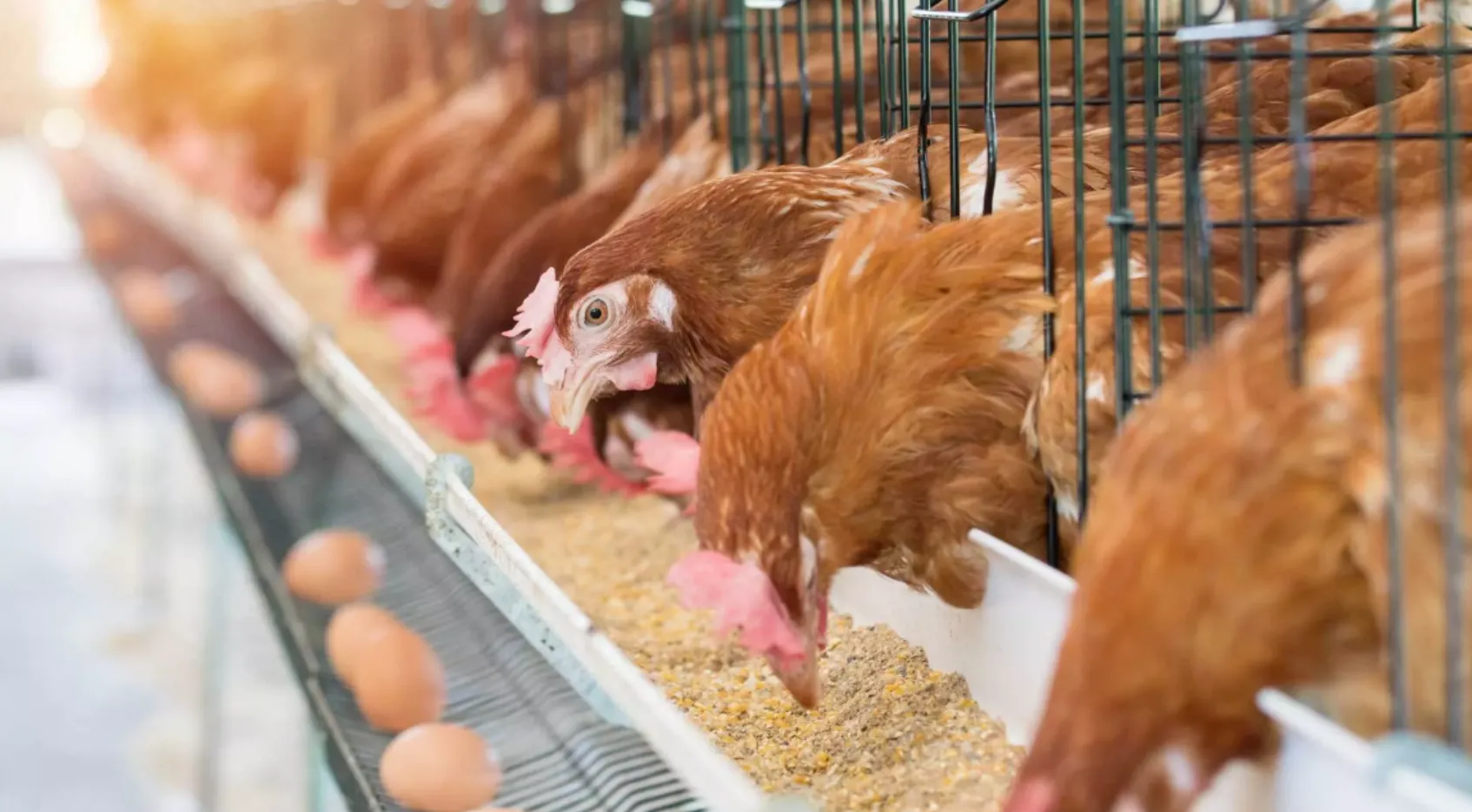
Poultry Industry: Production Lines on the Brink of Collapse
The concerns of the National Association of Poultry Meat Producers are not unfounded:
- Broiler Supply Crisis: Feed shortages not only increase production costs but directly threaten the entire production cycle
- Ramadan Demand Pressure: During the upcoming Ramadan period, poultry demand typically peaks, supply-demand imbalance may trigger significant price fluctuations
- Industry Survival Pressure: Small-scale breeding farms may be forced to close due to inability to bear rising costs
This is not just a logistics issue, but a matter of national food security and social stability.
🌍 Global Logistics Trends: Alternative Routes Become the New Normal
Shipping Companies’ Emergency Response
Facing the Morocco port crisis, major global shipping companies have quickly taken action. Hapag-Lloyd’s operational update shows that import cargo at Valencia Port has been transferred to alternative ports for unloading and transshipment. The Gemini alliance composed of Maersk and Hapag-Lloyd is also selectively restoring Red Sea transits.
These actions send a clear signal: single port dependence is outdated, multi-port network layout has become the new normal.
Spanish Logistics Hub: Strategic Value of Geographic Advantages
Spanish ports, especially Algeciras Port, show unique advantages in this crisis:
- Geographic Proximity: Only a strait away, short-distance transport achieves rapid response
- Complete Infrastructure: More complete port and inland connection networks
- Multi-Port Options: Barcelona, Valencia and other ports provide alternatives
- EU Support: EU membership ensures compliance and policy support
Special Reminder: Time Is the Only Irreversible Resource
The Morocco port congestion crisis reminds us: in today’s globalization, supply chain vulnerability may exceed our imagination. But vulnerability does not mean powerlessness—through scientific design and professional execution, supply chain resilience can be built in advance.