
🚨 Urgent Warning: European Aviation Fuel Crisis Countdown
April 17, 2026, a shocking global news came: Europe’s aviation kerosene inventory can only maintain about six weeks. If oil tanker transportation through the Strait of Hormuz continues to be blocked, from June onwards, major European airports will face “physical shortage”, what does this mean?
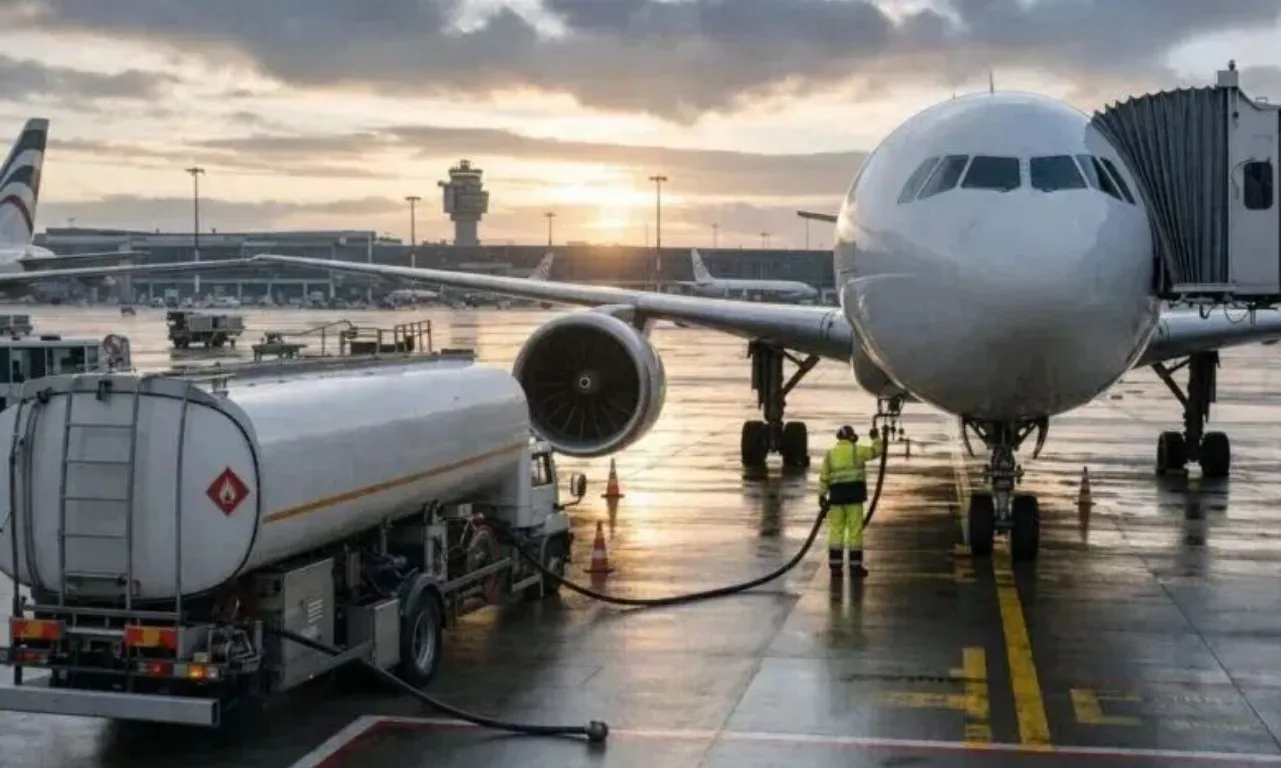
According to CNBC reports, Fatih Birol of the IEA also stated in a declaration that in the next six weeks, some European countries may begin to face aviation fuel shortage risks, largely depending on whether they can quickly fill the Middle East supply gap from international markets. Before the conflict erupted, the Middle East accounted for 75% of Europe’s aviation fuel net imports.

(IEA Executive Director Fatih Birol interviewed by Associated Press.)
Patrick De Haan, oil analysis head at GasBuddy, a U.S. fuel price tracking and data analysis service company, told Forbes magazine that among all refined fuels, aviation fuel was hit hardest because its production volume is the smallest, with only about 10% of each barrel of crude oil used to produce aviation fuel.
Aviation fuel is a kerosene-based refined petroleum product, the largest cost item for airlines, accounting for about 30% of total expenditures. IATA data shows that since the war erupted, aviation fuel prices have roughly doubled, and the next step may be supply shortages.
Mass flight cancellations, ticket prices doubling, cargo stranded… Can your supply chain withstand such an impact?
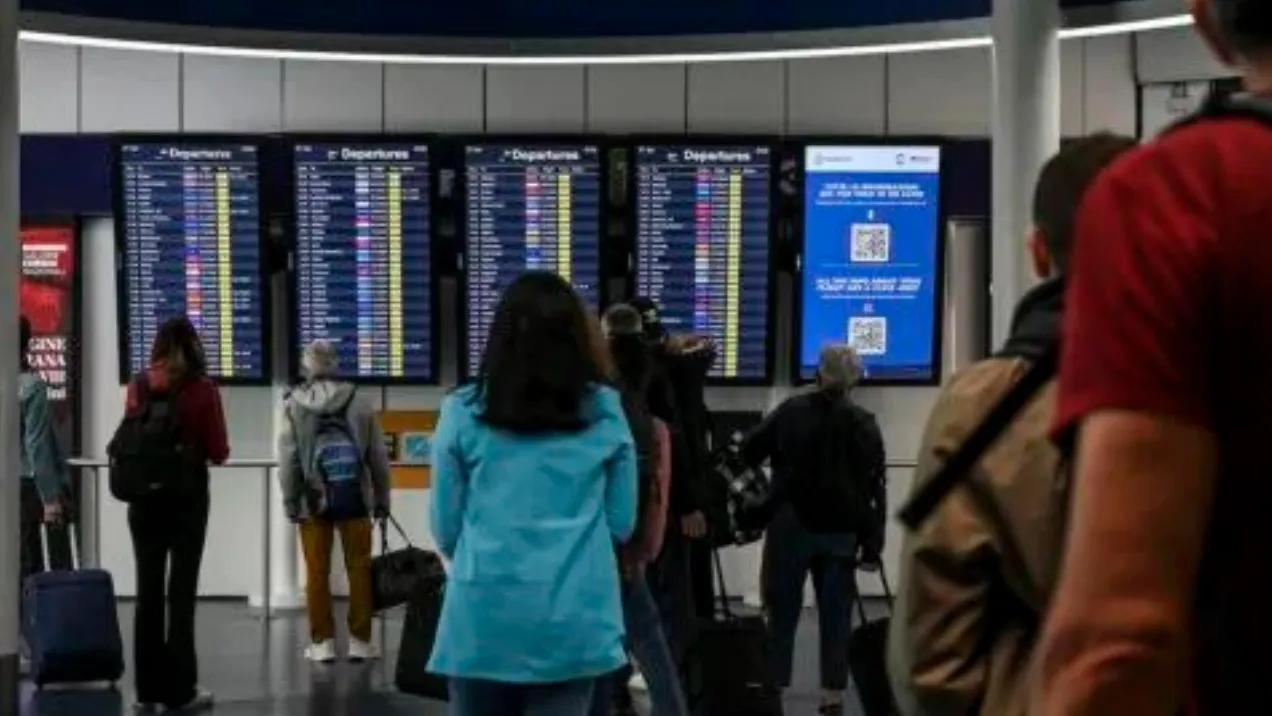
📉 Crisis Numbers Interpreted: Not “Possible”, But “Inevitable”
Countdown Has Begun: 6 Weeks = 42 Days
The International Energy Agency’s warning is not alarmist talk. Vienna Airport’s fuel depot has only 12 days of operating inventory, emergency contracts can only meet 70% of normal demand. More seriously:
| Indicator | Data |
|---|---|
| 30% Import Dependent | 30% of Europe’s aviation kerosene demand depends on imports |
| 🛢️ 75% from Middle East | Three-quarters of which come from the Middle East region |
| ⛔ 97% Transport Blocked | Strait of Hormuz shipping volume plummeted 97% |
Airlines Have Already Taken Action: Not “Preparing”, But “Executing”
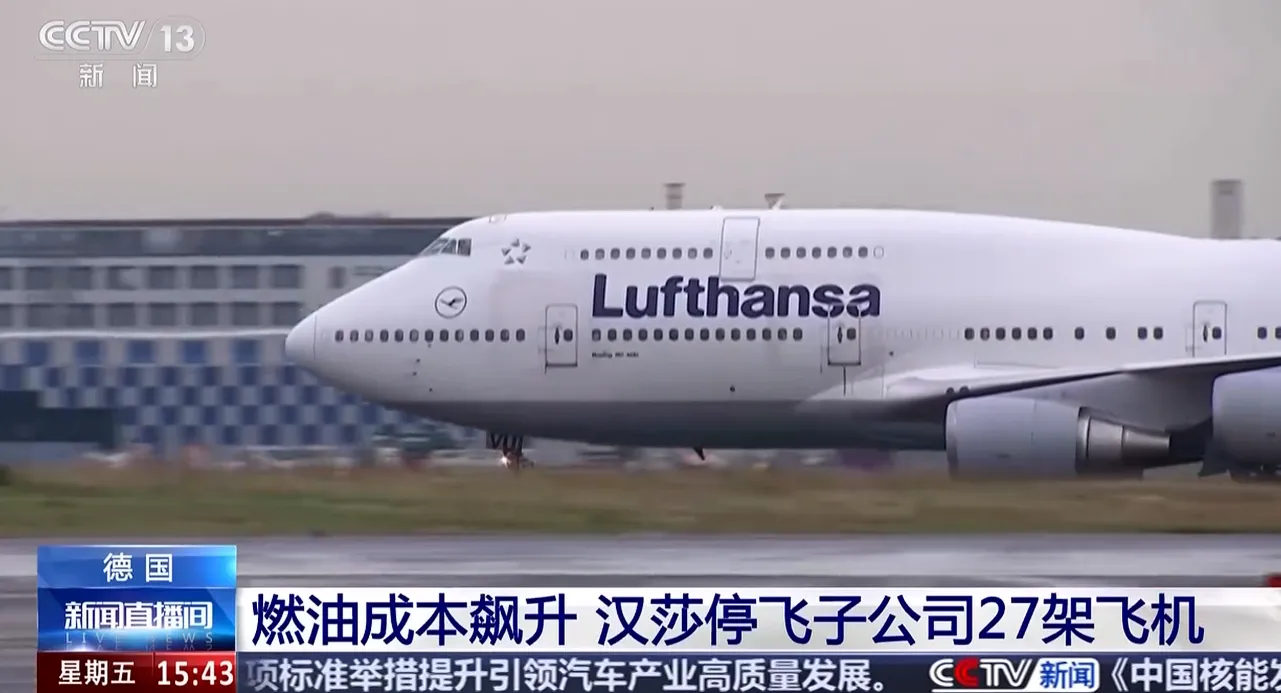
- Lufthansa: Closed subsidiary Cityline, 27 aircraft grounded
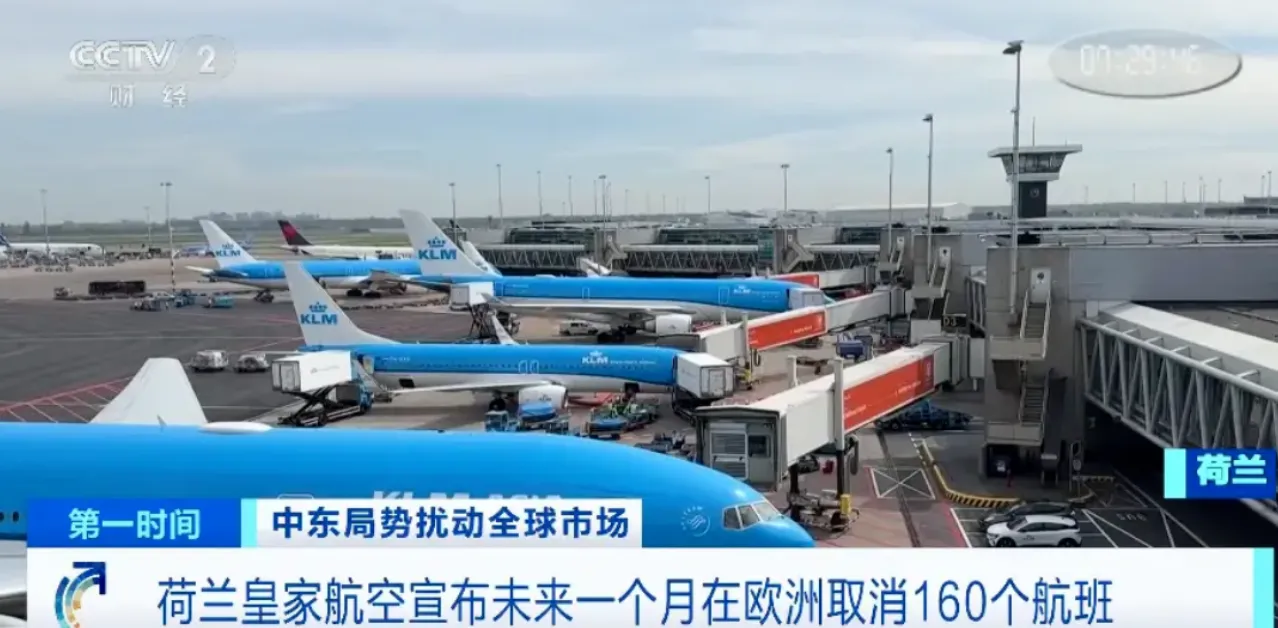
- KLM: Canceled 160 flights
- United Airlines: Plans to cut flight volume by 5%, potentially adding $11 billion in annual fuel costs
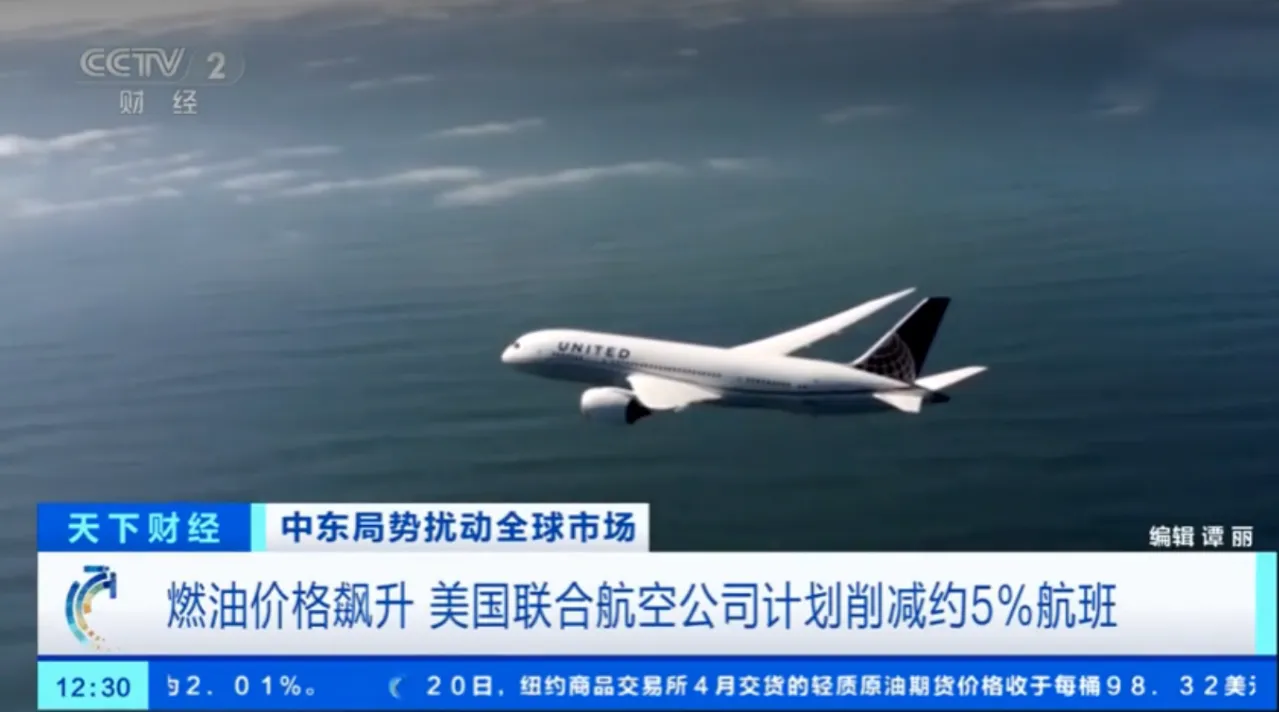
Behind these numbers is the aviation industry’s cruel recognition of reality: fuel shortage is not a hypothesis, but a fact that is happening.
🔗 Supply Chain Vulnerability: A 33-Kilometer Bottleneck Can Paralyze All of Europe
The narrowest point of the Strait of Hormuz is only 33 kilometers wide, but this geographic bottleneck holds the throat of the global economy:
Chain reaction behind the numbers.
| Crisis Dimension | Specific Impact | Your Business Risk |
|---|---|---|
| Transport Costs | Aviation fuel prices have doubled Ticket prices continue to rise | Transport costs increase 30-50% |
| Capacity Reduction | Airlines cut 10-20% flights Peak period may reach 40% | Cargo stranded risk increases 200% |
| Timing Delays | Flight cancellations cause delivery delays Average delay 2-4 weeks | Supply chain disruption Customer satisfaction declines |
| Bankruptcy Risk | Small and medium airlines face bankruptcy risk | Cargo loss, refund difficulties |
European countries reserve depletion timeline, does your cargo pass through these countries?
| Country | Kerosene Reserve Depletion Time | Risk Level |
|---|---|---|
| Portugal | Within 4 months | ⚠️ High Risk |
| Hungary | Within 5 months | ⚠️ High Risk |
| Denmark | Within 6 months | Medium Risk |
| Germany | Within 7 months | 🟡 Medium Risk |
| Italy | Within 7 months | 🟡 Medium Risk |
Crisis Moment, Choose Professional Partners
“Crisis does not eliminate enterprises, only eliminates enterprises that are unprepared.”
The aviation fuel crisis continues to ferment, when the uncertainty of air transport increases, the stability and economy of sea transport becomes a rational choice.
🏆 MYU Logistics: Your European Supply Chain “Ballast Stone”
As a 100% European localized operation logistics service provider, MYU Logistics deeply understands European market rules, culture, and logistics chains. In the current aviation fuel crisis, our advantages are transforming into your supply chain resilience.

Who We Are?
MYU Logistics is deeply rooted in the European market, a 100% locally operated logistics service provider. We deeply understand European market rules, culture, and logistics chains, providing truly localized one-stop solutions for your goods.
- 100% European Local Team: All employees are recruited and trained locally in Europe, familiar with EU regulations, taxation, and operational processes
- Multilingual Professional Services: Service languages cover Chinese, English, Spanish, and French, ensuring barrier-free communication and more precise responses
- Spanish Local Company: Relying on Spanish local entities, providing efficient distribution and warehousing networks covering all of Europe
🚛 What We Can Do?
- Full-Link Sea Freight Services: FCL and LCL transportation, covering major ports and inland points
- Diversified Trade Term Services: Supporting DDP, DDU, DAP, EXW and other terms, providing full-process customs clearance services including VAT and customs duties
- European Local Land Transport and Warehousing: Intra-European trucking distribution, warehousing and collection, short-term storage and distribution services
- Special Cargo Handling: Professional handling of oversized, over-width, over-height, overweight cargo, as well as cold chain, furniture, equipment, clothing, building materials, compliant dangerous goods and other special categories
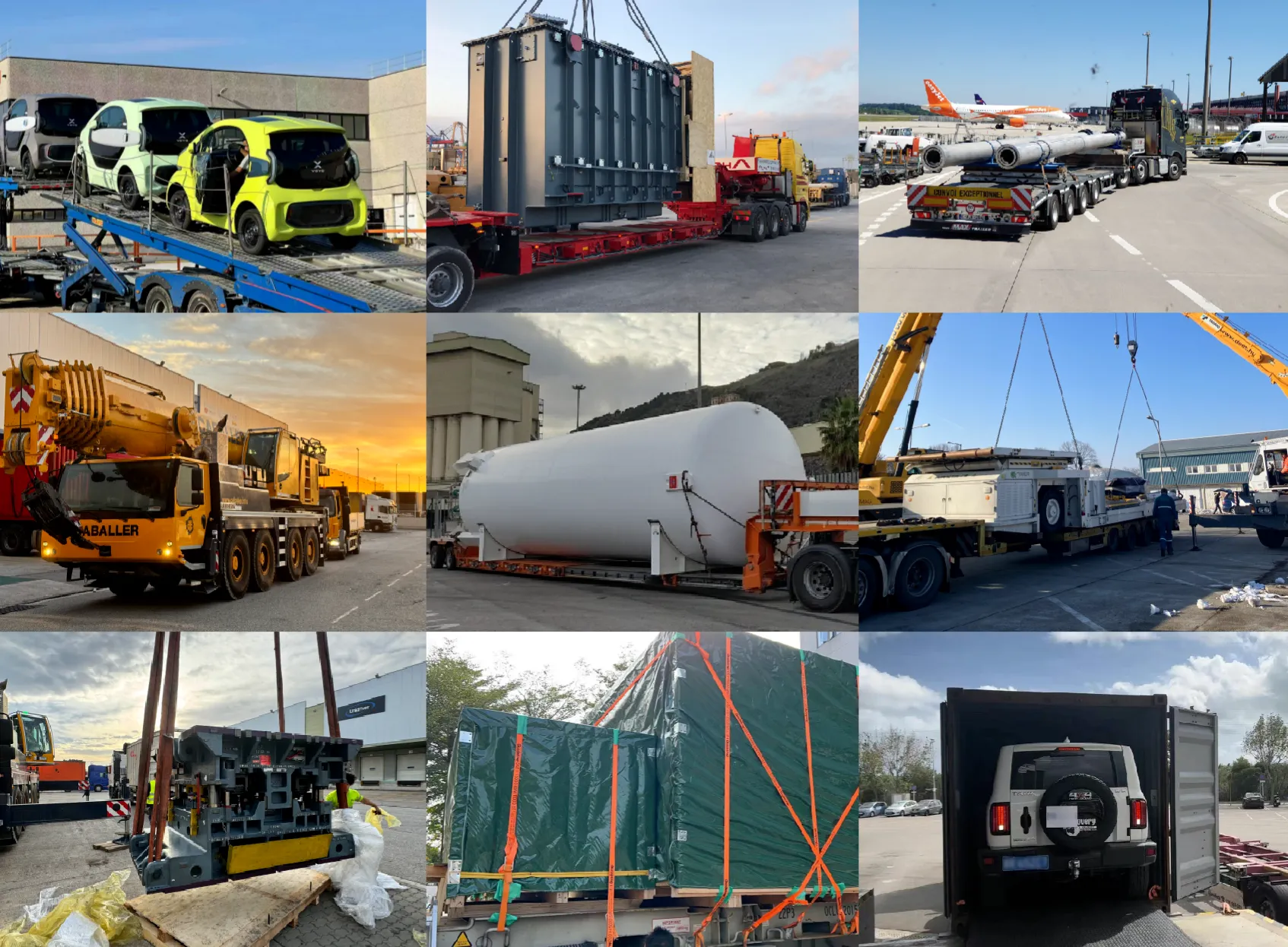
✅ Our Advantages?
In times of crisis, these advantages directly translate into your supply chain resilience:
- Compliance and Transparency: Refusing “gray clearance”, all operations are legal and compliant, processes are fully traceable
- Tax Optimization: Combining European local tax policies to provide compliant tax planning suggestions, optimizing supply chain costs
- End-to-End Project Management: From booking to customs clearance to final distribution, dedicated follow-up throughout, ensuring cargo arrives safely and on time
- Local Network Support: Relying on multiple warehousing and partner nodes in Spain and Europe, achieving rapid response and flexible scheduling
Choose professional partners to keep you competitive in times of crisis.