
🚨 Storm Strikes: 2026 European Port Crisis
In early 2026, an unprecedented weather crisis swept across Europe. From Storm Harry in January to Leo and Marta in February, major Spanish ports closed one after another, forcing global shipping giant Maersk to stop vessel departures, Algeciras Port canceled all ferry flights—all this was just the beginning.

According to latest data, last year’s winter storms alone caused €120 million in logistics losses to Spain. But the real costs go far beyond this: warehousing costs from stranded cargo, missed sales opportunities, loss of customer trust—these intangible losses are the “fatal wounds” to enterprise supply chains.

🌊 Storm Succession: The Real Situation at European Ports in 2026
”Harry” Strikes: Barcelona Port Emergency Closure
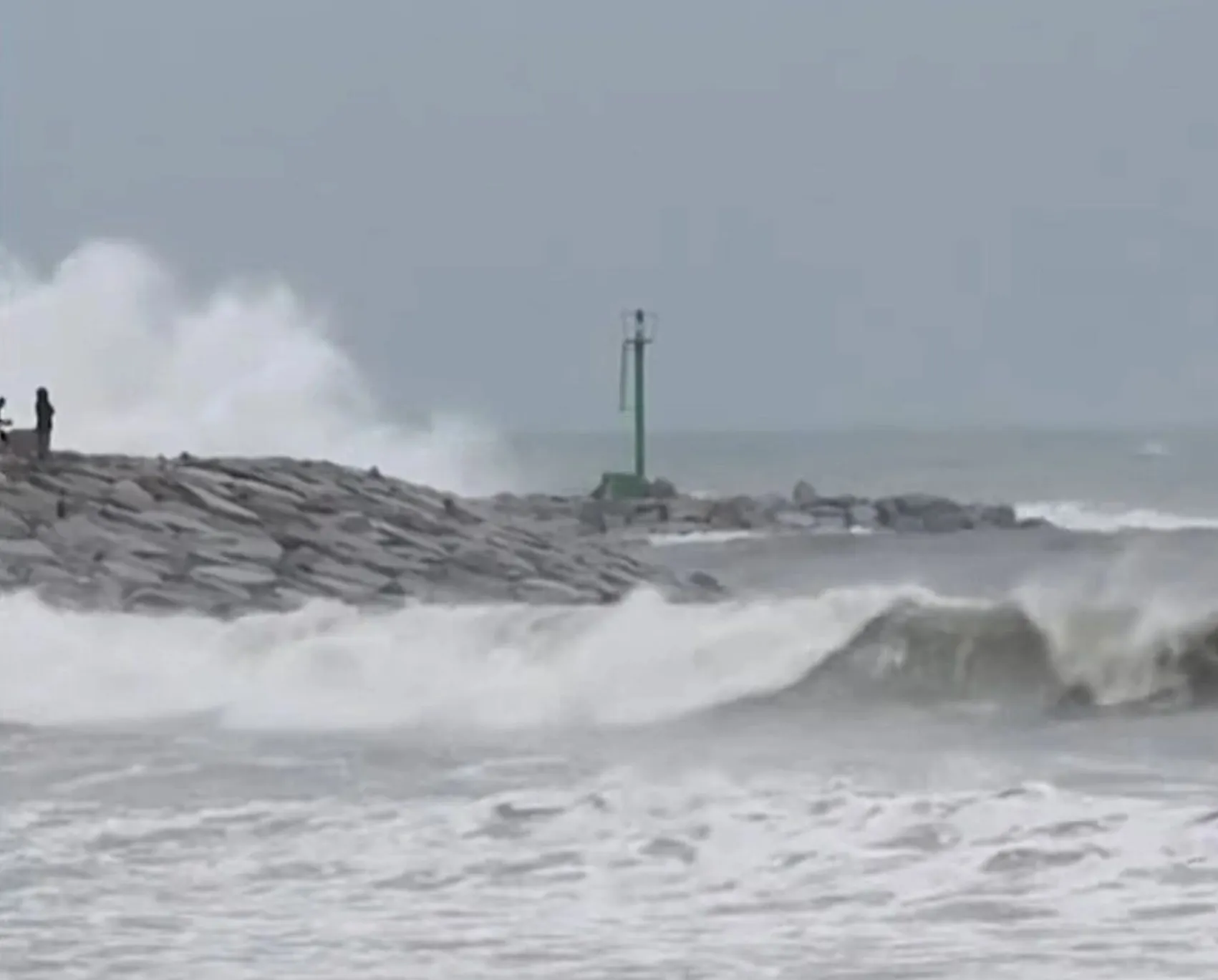
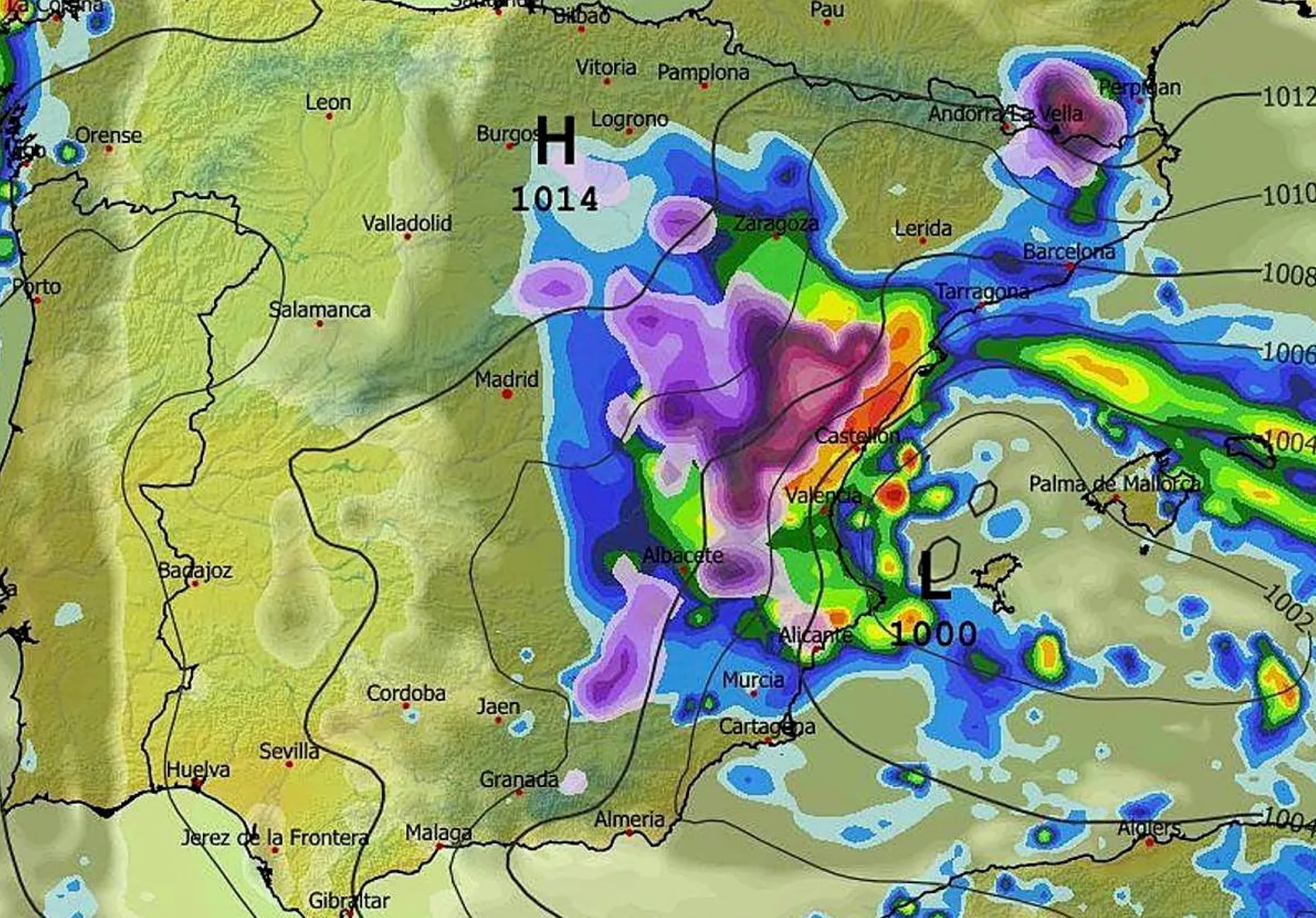
On January 20, 2026, the Spanish Meteorological Agency AEMET issued a red alert. Storm Harry brought heavy rain, strong winds, and 10-meter-high waves, pushing Barcelona Port to “maximum alert status.” Port authorities urgently restricted ferry operations, airlines canceled flight arrangements one after another. Flight delays at Barcelona El Prat Airport were just the tip of the iceberg in this logistics crisis.
“Leo” Rages: Shipping Giants Forced to Suspend Operations
In early February 2026, the power of Storm Leo shocked the entire industry. Maersk Shipping Group publicly admitted: “Weather conditions deteriorated beyond all expectations,” and had to stop vessel departures in affected areas. Shipping delays spread like plague across Europe, with operations at multiple major ports falling into paralysis.
”Marta” Sweeps: 168 Roads + Key Ports Double Blow
On February 7, 2026, the numbers were shocking: 168 Spanish roads closed, with 137 concentrated in Andalusia. Algeciras Port was forced to cancel all ferry flights to and from Tangier-Med, completely cutting off the freight corridor between Spain and Morocco.
The port authority’s official notice was concise and severe: “All outbound flights from 10 AM are canceled, passenger traffic completely stopped, port access restricted.”

🔗 Chain Reaction: When Barcelona Closes, All of Europe Trembles
Do you think port closures only affect that one route?
Port closures triggered by extreme weather are producing a domino effect in the European logistics network. When a major port like Barcelona closes, surrounding ports instantly face surge pressure:
- Valencia Port: Taking on cargo diverted from Barcelona, waiting time extended from 2 days to 5 days
- Bilbao Port: Increased inland transport pressure, trailer resources tight
- Algeciras Port: Already busy channel, bearing an extra 30% cargo volume
According to data from the 2026 6th CHWE Global Cross-Border E-commerce Exhibition, port congestion and cost increases have had significant impacts on cross-border sellers:
- Logistics costs increased by an average of 15-25%
- Delivery timing delayed by 3-7 working days
- Warehousing costs increased by 20%
🌡️ Climate Change Has Become the New Normal: What Will We Face in the Future?
This is not a one-time weather event, but the new normal for supply chain management.
As global climate change intensifies, extreme weather events are becoming more frequent, severe, and unpredictable. Spanish Meteorological Agency data shows that storm intensity and frequency in early 2026 has hit record highs.
What does this mean?
- More Frequent Port Closures: At least 3-5 large-scale port operation disruptions expected annually
- Longer Recovery Times: Recovery time after each storm extended from 3 days to 7 days
- More Complex Supply Chain Risks: No longer just a single port issue, but a systemic challenge for the entire European network
Why Has European Localized Service Become a “Rigid Demand”?
Today, with climate change becoming an irreversible trend, choosing the right logistics partner is no longer a cost consideration, but a survival strategy. MYU Logistics, with its unique European localization advantages, is becoming the “stabilizer” for cross-border trade enterprises under extreme weather.

Advantage One: 100% European Local Team - Real-Time Crisis Response
All MYU Logistics employees are recruited and trained locally in Europe, familiar with EU regulations, taxation, and operational processes. When storm alarms sound:
The value of local teams immediately appears:
- Real-time grasp of local weather warnings and road conditions
- Establish direct communication with port authorities at the first time
- Use local relationship networks to obtain internal operational information
- Provide accurate recommendations and predictions based on actual conditions
Advantage Two: Multilingual Professional Services - Breaking Communication Barriers
MYU Logistics’ service languages cover Chinese, English, Spanish, and French, ensuring that in any emergency:
- Seamless connection between China headquarters and European teams
- Precise communication with local suppliers and ports
- Customers can find native language support at any time
- Zero misunderstanding in instruction transmission during emergencies
Advantage Three: Spanish Local Company - Network Covering All of Europe
As a Spanish local entity enterprise, MYU Logistics relies on warehousing and distribution networks covering all of Europe, providing a true “end-to-end” logistics solution.
🚛 What We Can Do?
- Full-Link Sea Freight Services: FCL and LCL transportation, covering major ports and inland points
- Diversified Trade Term Services: Supporting DDP, DDU, DAP, EXW and other terms, providing full-process customs clearance services including VAT and customs duties
- European Local Land Transport and Warehousing: Intra-European trucking distribution, warehousing and collection, short-term storage and distribution services
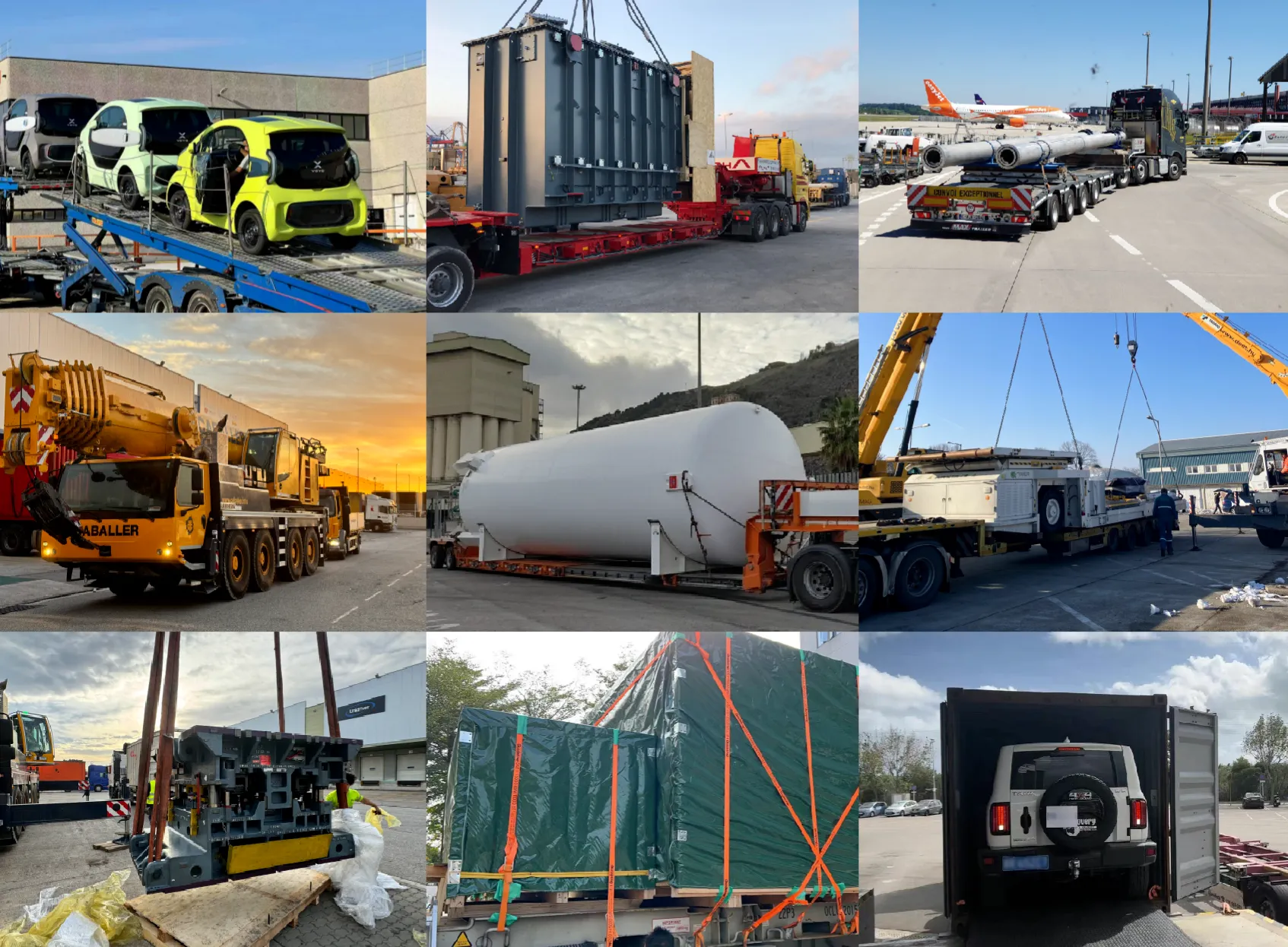
- Special Cargo Handling: Professional handling of oversized, over-width, over-height, overweight cargo, as well as cold chain, furniture, equipment, clothing, building materials, compliant dangerous goods and other special categories
✅ Our Advantages?
- Compliance and Transparency: Refusing “gray clearance”, all operations are legal and compliant, processes are fully traceable
- Tax Optimization: Combining European local tax policies to provide compliant tax planning suggestions, optimizing supply chain costs
- End-to-End Project Management: From booking to customs clearance to final distribution, dedicated follow-up throughout, ensuring cargo arrives safely and on time
- Local Network Support: Relying on multiple warehousing and partner nodes in Spain and Europe, achieving rapid response and flexible scheduling
⚡ Act Now: Add “Weather Insurance” for Your Supply Chain
Climate change will not stop, extreme weather will only become more frequent. Rather than passively waiting for the next “Harry” or “Leo”, it’s better to proactively build response capabilities.
Remember: In the climate change era, the most expensive cost is not logistics expenses, but the opportunity loss from supply chain disruptions.
Time waits for no one! Contact us now to seize the initiative!
Contact MYU for consultation now to ensure your European business runs smoothly!