
MSC Container Ships Under Attack and Seized in Strait of Hormuz
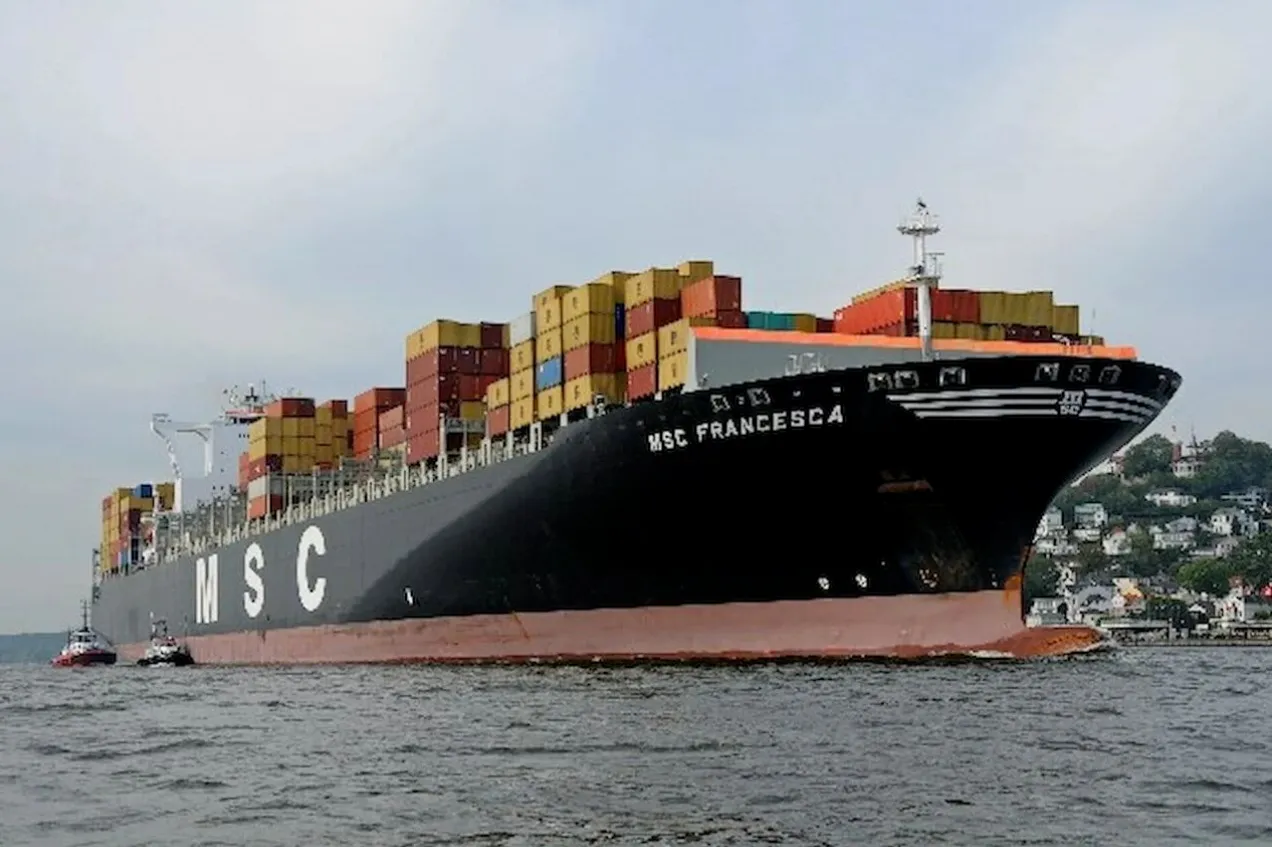
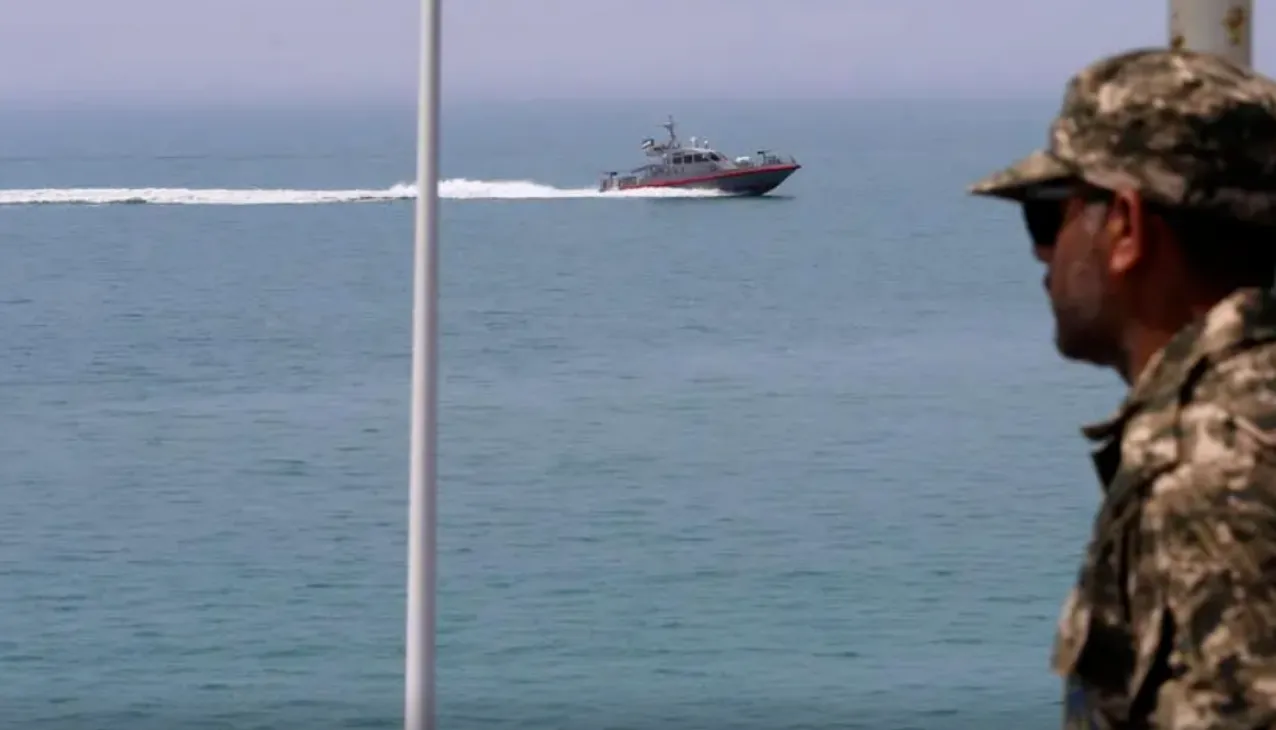
On April 22, 2026, at 7:55 AM, Iran’s Revolutionary Guard opened fire on container ships in the Strait of Hormuz, seizing two large cargo vessels: MSC Francesca and Epaminondas.
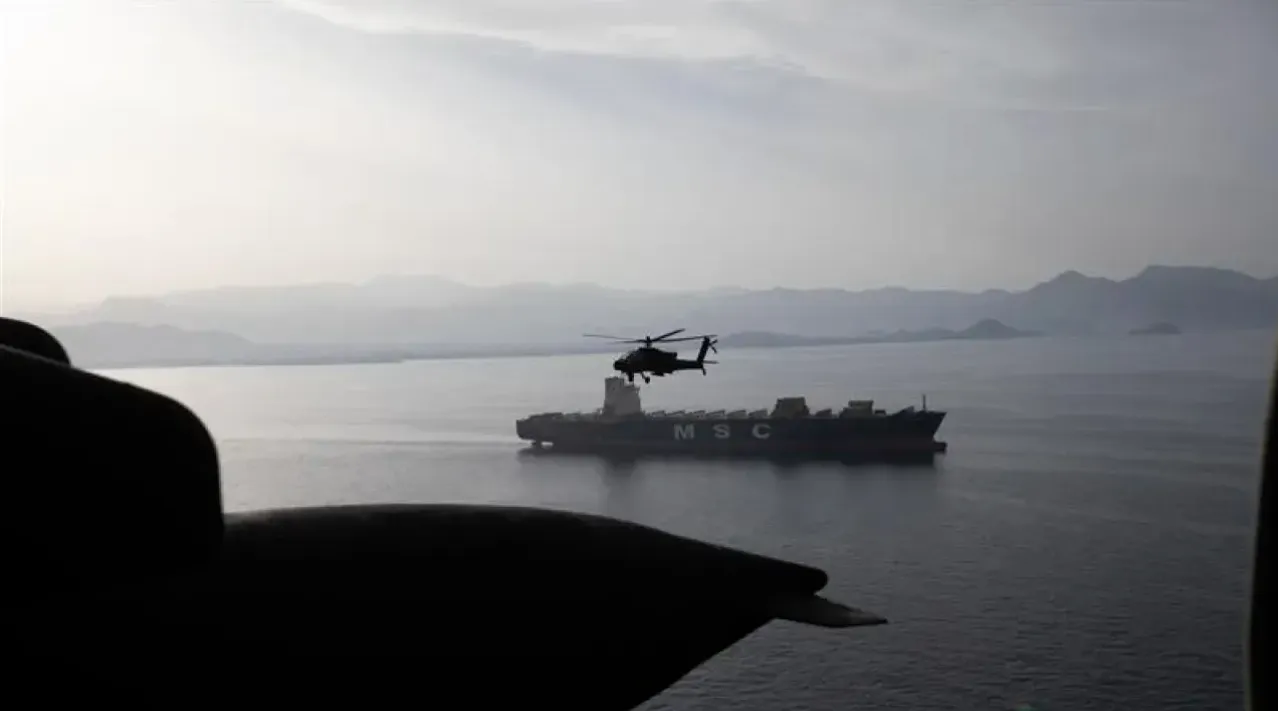
At least six container ships attempted to transit the Strait of Hormuz. Among them, MSC Francesca (with AIS satellite information disabled during transit) and Epaminondas (AIS disabled), two super-large vessels, are now docked near Iranian territorial waters and the Iranian coastline.
The United Kingdom Maritime Trade Operations (UKMTO) today issued Maritime Security Advisory No. 41, reporting a sudden merchant vessel attack incident in waters northeast of Oman.
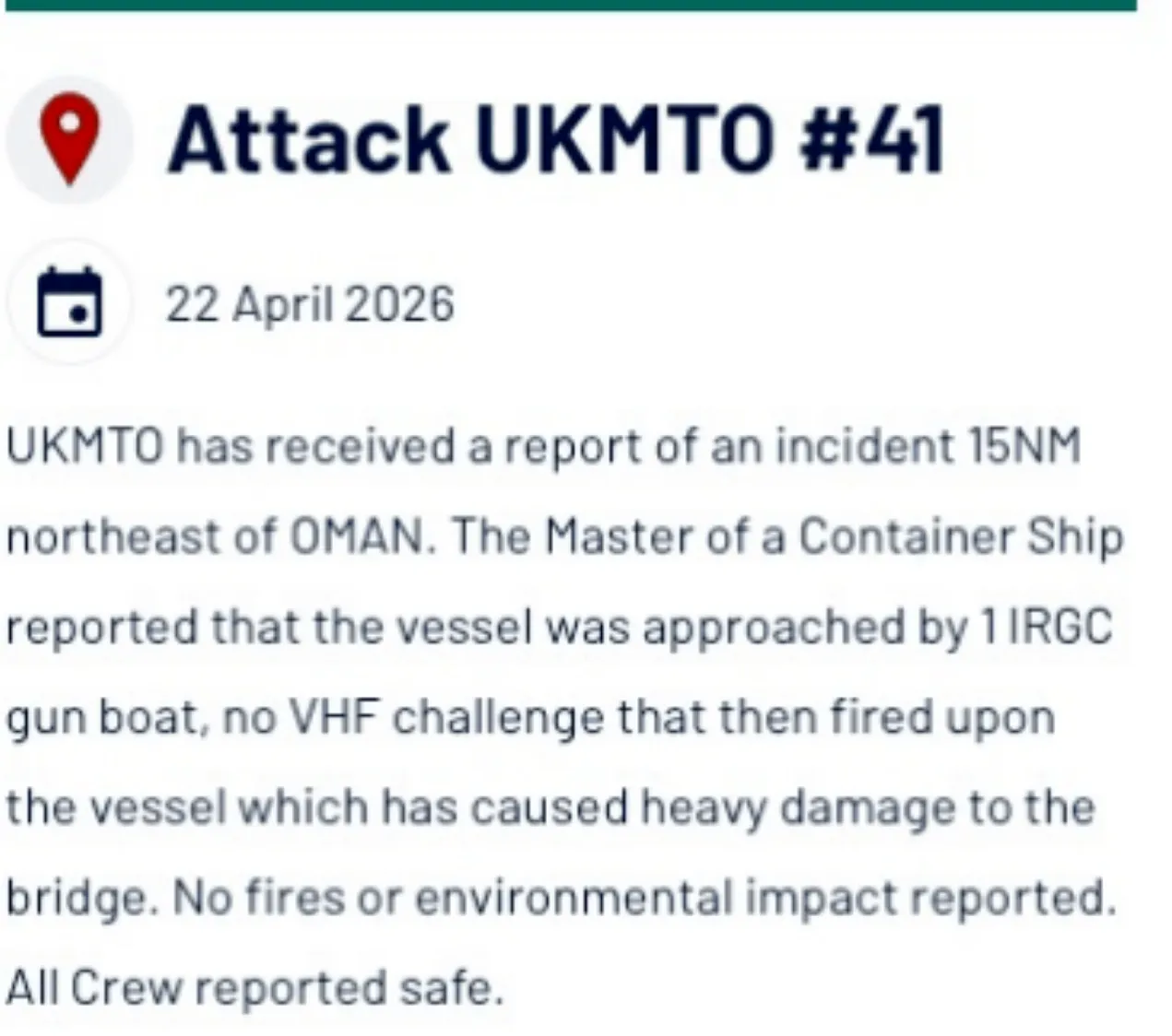
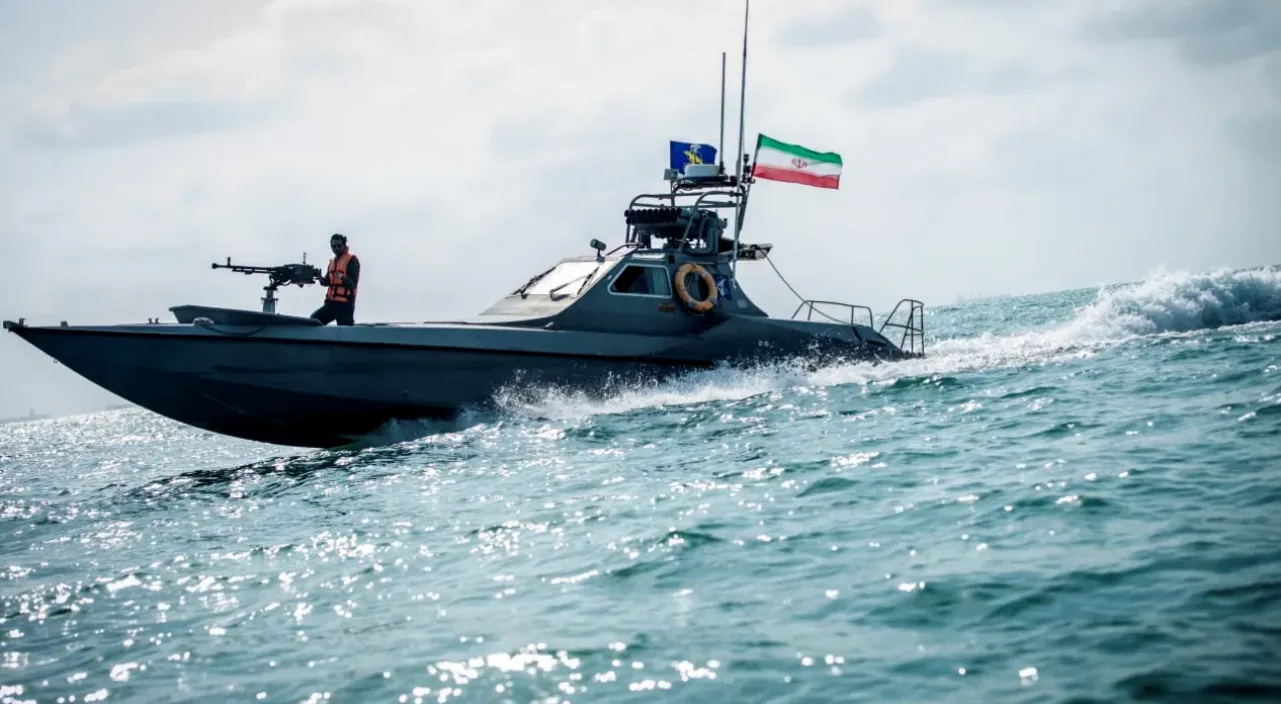
According to the official advisory, the incident occurred in waters 15 nautical miles northeast of Oman. The captain of the involved container ship reported that an Iranian Islamic Revolutionary Guard Corps (IRGC) gunboat approached the vessel directly without any radio communication or warning via VHF, then immediately opened fire on the vessel. The shells directly hit the ship’s bridge, causing severe structural damage to the bridge.
Official reports confirm that this attack did not cause shipboard fires, marine oil spills, or marine environmental pollution accidents. All crew members on board are safe and unharmed.
ONE Announces Forced Discharge: Shippers Bear All Costs
Against the backdrop of rising security risks, shipping companies are rapidly adjusting their operational strategies. On April 20, Ocean Network Express (ONE) issued an important notice announcing that due to the turbulent situation in the Middle East, it decided to implement “Voyage Termination” for certain voyages and activate a forced discharge mechanism. The affected vessel is “HMM MIR” (voyage 0019W/0020E), operating on the GS2 route.
According to the notice, the vessel will no longer continue its scheduled voyage to subsequent Middle East ports but will undergo forced discharge at an intermediate port. The specific discharge ports are Khor Fakkan, UAE, or Sohar, Oman. The vessel operates under an alliance shared-space arrangement involving shipping companies HMM (Hyundai Merchant Marine), YML (Yang Ming Marine Transport), and ONE. The original port rotation included Busan, Dalian, Tianjin, Qingdao, Shanghai, Ningbo, Kaohsiung, Shekou, Singapore, and multiple Middle East ports such as Jebel Ali, Dammam, Jubail, Hamad, and Abu Dhabi. Voyage termination means cargo destined for these ports will not arrive as originally planned.
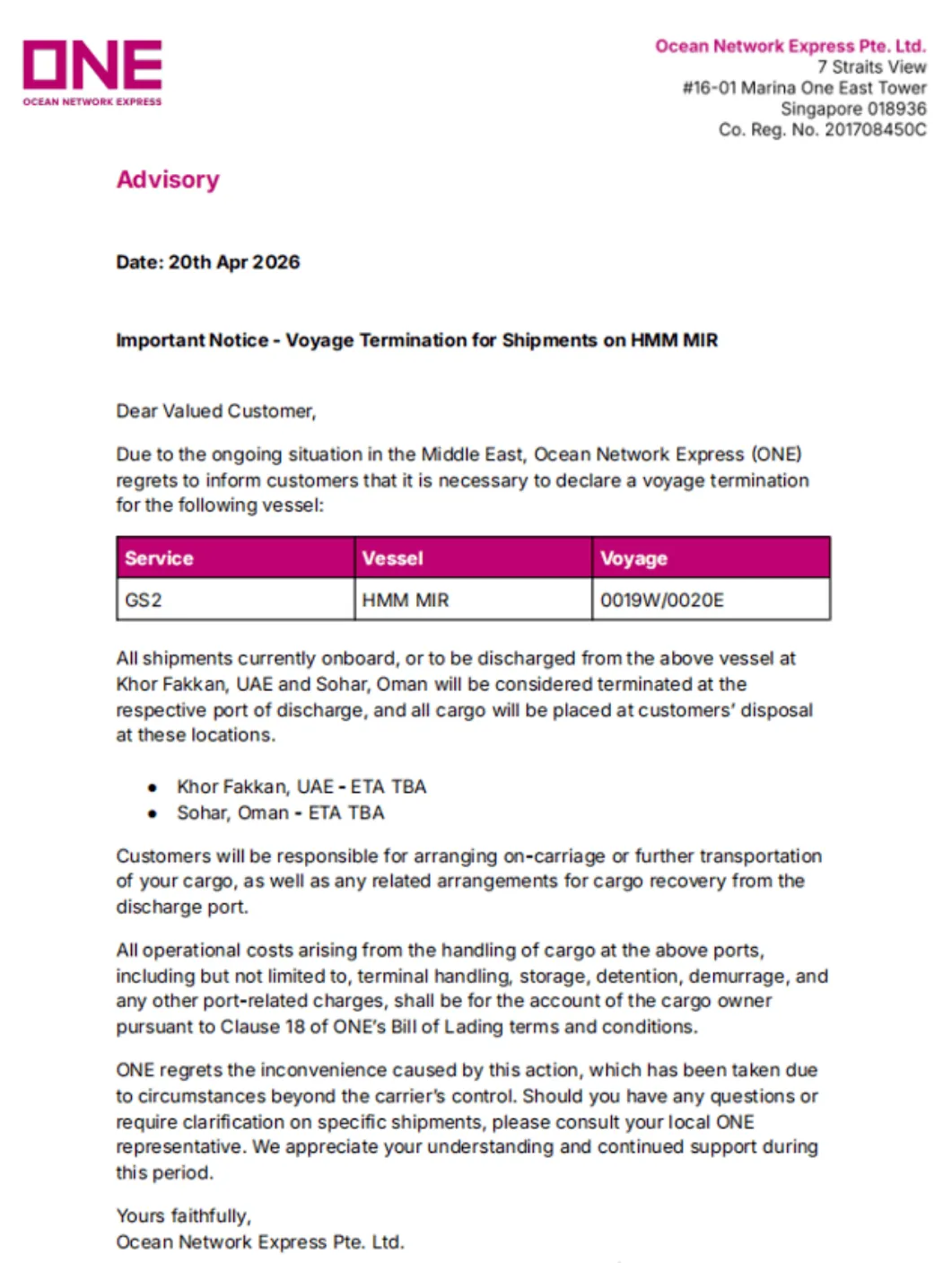
According to ONE’s notice, once cargo is discharged at an intermediate port, the transportation contract is deemed fulfilled and terminated, and the cargo is directly “returned” to the customer for disposition. This arrangement brings multiple direct impacts:
1. Voyage Interruption and Forced Discharge
All cargo on board, whether already loaded or destined for Middle East ports, will be forcibly discharged at Khor Fakkan or Sohar and cannot continue on the original route.
2. Customers Must Arrange Subsequent Transportation
The shipping company will no longer be responsible for arranging post-discharge transportation. Shippers must independently contact local agents or land transport resources to transfer cargo to the final destination. This not only increases operational complexity but also significantly raises logistics costs and uncertainty.
3. Shippers Bear All Costs
According to bill of lading terms (typically similar to Article 18 force majeure clauses), this incident is defined as “Force Majeure,” so the shipping company assumes no additional liability. All costs arising from discharge and subsequent operations, including but not limited to port handling charges, storage fees, demurrage, detention, and other additional charges, must be borne by the shippers themselves.
Industry experts point out that this series of operations means risk has escalated from “delays” to “responsibility transfer.” In the current situation, shipping companies prioritize ensuring vessel and personnel safety while transferring operational risks downstream through contract terms, with shippers and freight forwarders becoming the direct bearers of pressure.
Comprehensively, although some vessels have successfully evacuated the Strait of Hormuz, the regional security environment has not substantially improved. Attack incidents continue to occur, route interruption risks persist, and shipping company strategies are becoming increasingly conservative or even “loss-mitigation oriented.” For the market, this is not only a short-term shock but may also accelerate the reshaping of Middle East route operational models.
In this context, industry experts generally recommend that relevant enterprises closely monitor situation developments, proactively plan alternative transportation routes, strengthen contract clause risk assessment, and reserve sufficient time and cost buffers to respond to sudden situations that may occur at any time.
Why Choose MYU Logistics?
Choosing a logistics service provider with professional capabilities, local resources, and end-to-end service capabilities has become the key for enterprises to avoid shipping risks and ensure supply chain stability—MYU Logistics is precisely the European localization logistics expert born to address such sudden situations and safeguard supply chain resilience.
MYU Logistics: Deeply Rooted in Europe, Building Supply Chain Security Defenses
As a 100% European locally operated logistics service provider, MYU Logistics understands European market rules, culture, and logistics links. Even more so, in the current context of turbulent Middle East routes and surging transportation risks, we can provide shippers with flexible, safe, and efficient alternative transportation solutions, transforming our advantages into your supply chain resilience.

- 100% European Local Team: All employees recruited and trained locally in Europe, familiar with EU regulations, taxation, and operational procedures
- Multilingual Professional Service: Service languages include Chinese, English, Spanish, French—seamless communication, precise response
- Spanish Local Company: Leveraging Spanish local entities to provide efficient distribution and warehousing networks across Europe
What We Can Do?
- Full-Chain Sea Freight Services: FCL, LCL, AIR transport, covering major European ports and inland points
- Diversified Trade Terms: Support DDP, DDU, DAP, EXW, providing full customs clearance with VAT and duty payment
- European Local Land Transport & Warehousing: Intra-Europe trailer delivery, warehouse consolidation, short-term storage and distribution
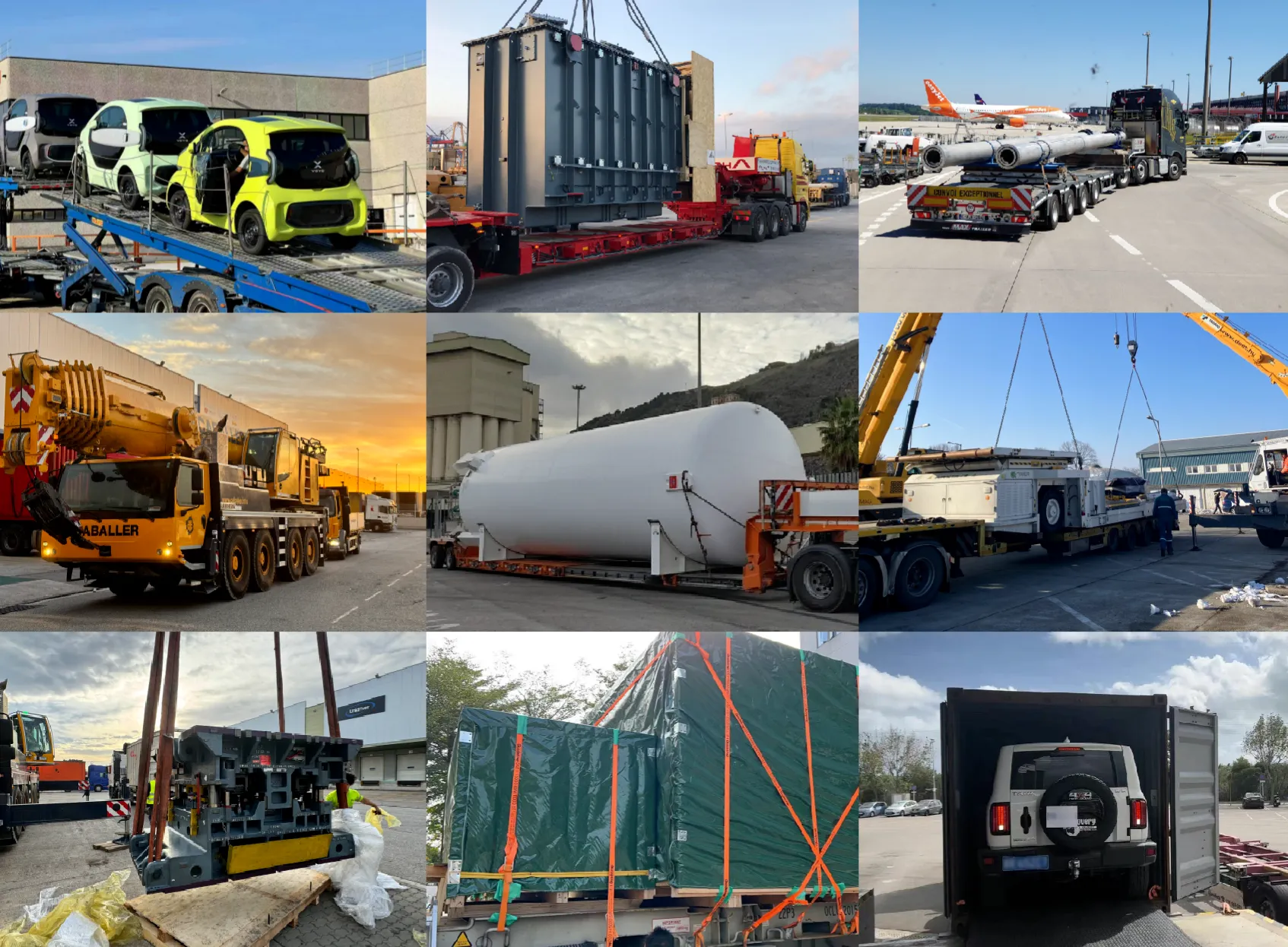
- Special Cargo Handling: Professional handling of oversized, overweight, overheight, and overweight cargo, as well as cold chain, furniture, equipment, clothing, building materials, and compliant dangerous goods
Our Advantages?
In times of crisis, these advantages directly translate to your supply chain resilience:
- Compliance & Transparency: Rejecting gray customs clearance, all operations legal and compliant, fully traceable processes
- Tax Optimization: Combining European local tax policies to provide compliant tax planning suggestions, optimizing supply chain costs
- End-to-End Project Management: From booking, customs clearance to final delivery, dedicated personnel follow up throughout to ensure safe and on-time cargo arrival
- Local Network Support: Leveraging multiple warehousing and partner nodes in Spain and Europe for rapid response and flexible scheduling
Contact Us Now: Let Our Professional Team Protect Your Cargo
Choose a professional partner to maintain your competitive advantage during crises.
Contact Us Now to build an unbreakable defense for your supply chain.